Social-Emotional Learning: What It Means and Why Gifted Children Need It
If you have been immersed in the world of gifted children, odds are you’ve come across the term SEL or Social-Emotional Learning. In this post, we’ll explain SEL, what this means for a gifted child, bring to light some common misconceptions, and share how to support them in and out of the classroom.
What is social-emotional learning?
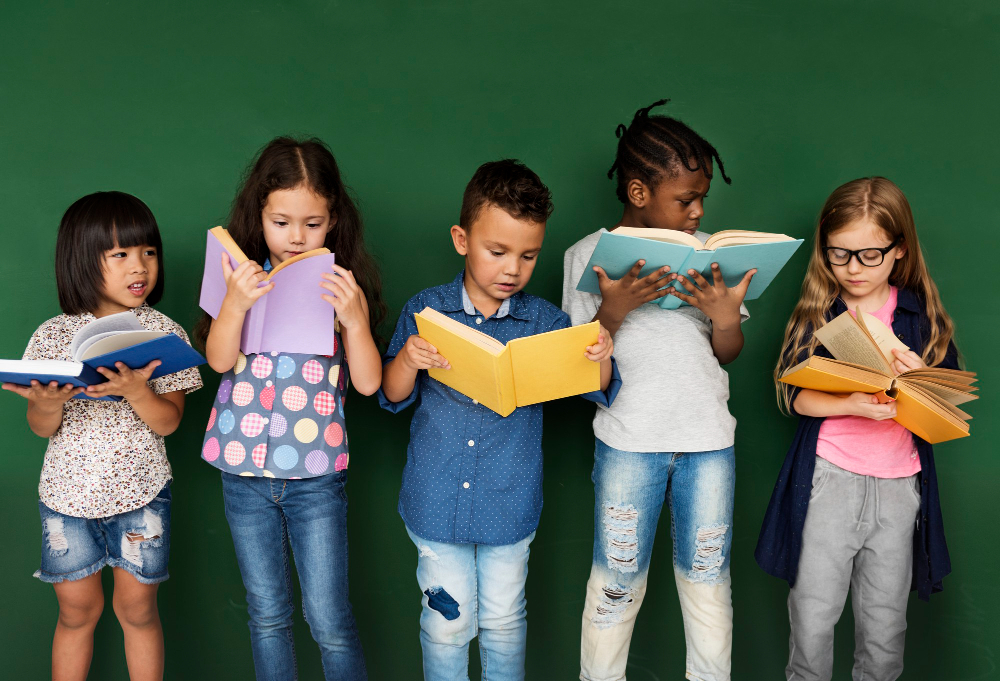
Social emotional learning is a discipline through which children develop skills and frameworks to both understand and process their own emotions, and build healthy relationships with others. When gifted students engage in social emotional learning, they are learning emotional regulation, empathy, perspective-taking, and personal and relational problem-solving.
Why is social emotional learning important for gifted learners?
When parenting gifted children, it’s important to avoid the common misconception: just because gifted students might be seen as more mature, doesn’t mean they have the tools to cope more maturely. Gifted children are often recognized for their advanced intellect, curiosity, and creativity—but that doesn’t necessarily translate to advanced social and emotional skills.
In fact, social-emotional learning for gifted learners is particularly important for a few key reasons:
- Gifted learners experience and approach life intensely. We often look at this as passion and drive, but it is also sensitivity to sensorial, intellectual and emotional stimulus
- Their natural curiosity and intellect causes them to think deeply about the world, and ask questions beyond what their emotional maturity is ready for— which can elicit an intense emotional response.
- They often feel different or alone in a group of their peers. Due to their advanced intellect, gifted learners may seek relationships on a more mature level than what their peers are seeking. In turn they may feel alone or like no one understands them.
The risk: when gifted children lack the tools to process their emotions or relate to others, they are at risk of experiencing mental health issues, masking who they are, and/or potentially exhibiting behavioral issues.
How to support the social-emotional needs of gifted children:
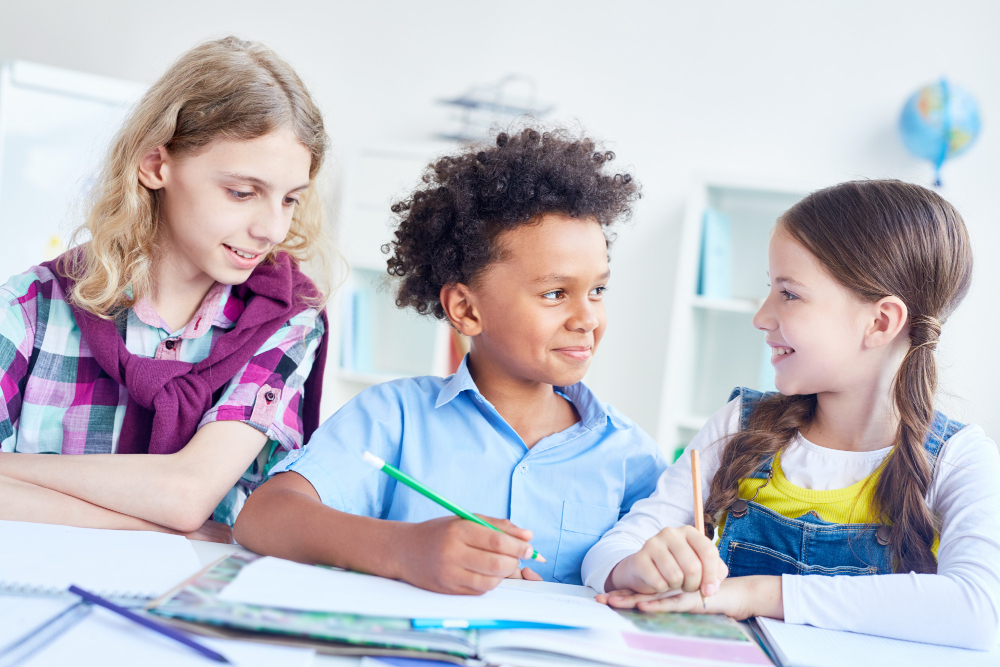
Ultimately, gifted children have unique gifts and abilities, our goal as their support system is to help them thrive.
- Provide them outlets and additional stimulus outside of the classroom. This helps them feel fulfilled and more grounded in classroom settings.
- Proactively provide a safe space to question, learn and grow. Start the conversation that will allow them to process the experiences they face in everyday life.
- Encourage a mindset of growth. This might look like reframing social-emotional difficulties as opportunities. One way to engage is to offer them “challenges” or games as a means of practicing emotional regulation. For example, if a gifted student is overwhelmed or frustrated, give them a “challenge” of counting backwards by twos from 100, or a “challenge” of taking ten deep breaths. Do it together to show support.
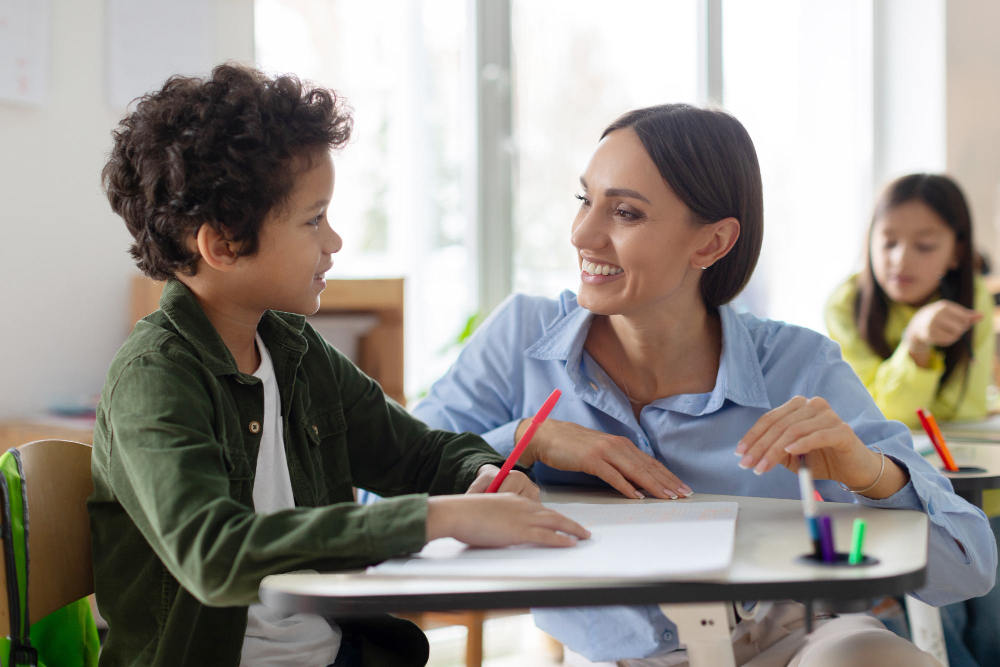
At Rainard, we recognize that social emotional learning is just as integral as academic learning. We incorporate social emotional learning into our academic model through our intimate classroom setting and through our project based and immersive learning experiences— which allows them to build individual accountability and healthy collaboration. To learn more, please check out the Rainard Model. Together, we strive to provide gifted children with what they need to thrive.